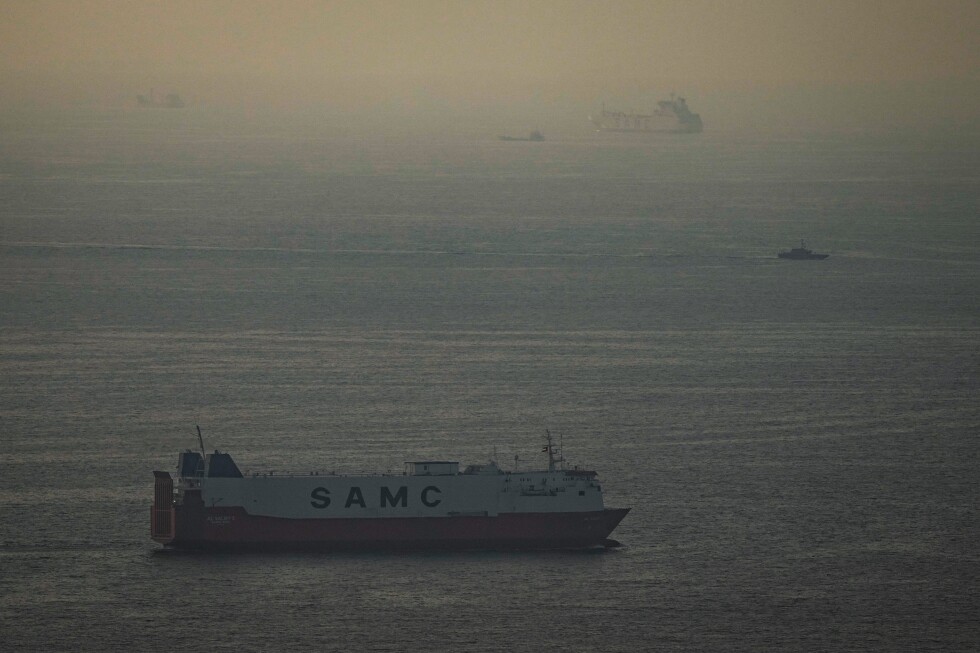
TEHRAN/WASHINGTON (AP) — Iran is setting itself up as the permanent gatekeeper of the Strait of Hormuz, the world's most critical oil shipping lane, after formalizing a system requiring vessels to be escorted by Iranian Revolutionary Guards and, in some cases, pay tolls in Chinese yuan.
According to shipping intelligence firm Lloyd's List, ships seeking passage must submit cargo details, crew manifests, and ownership information to approved Revolutionary Guard intermediaries. At least two vessels have already paid for passage, with fees settled in yuan rather than U.S. dollars — a deliberate sidestep of American sanctions.
Traffic through the strait has fallen 90 percent since the Iran war began, with only about 150 vessels transiting in March compared to roughly 2,000 under normal conditions. Iran's own oil exports, largely destined for private Chinese refineries, have continued largely unaffected.
The development has rattled global energy markets, sending oil prices skyrocketing and inflicting alarming shortages on Asian nations that depend on Persian Gulf shipments. For San Diego, the implications are tangible — East County gas prices have tracked national spikes driven by the Hormuz disruption.
Iran's parliament is reportedly drafting legislation to make the toll regime permanent under international maritime law. The Gulf Cooperation Council has called Iran's collection of passage fees "an aggression and a violation of the United Nations agreement on the law of the sea."